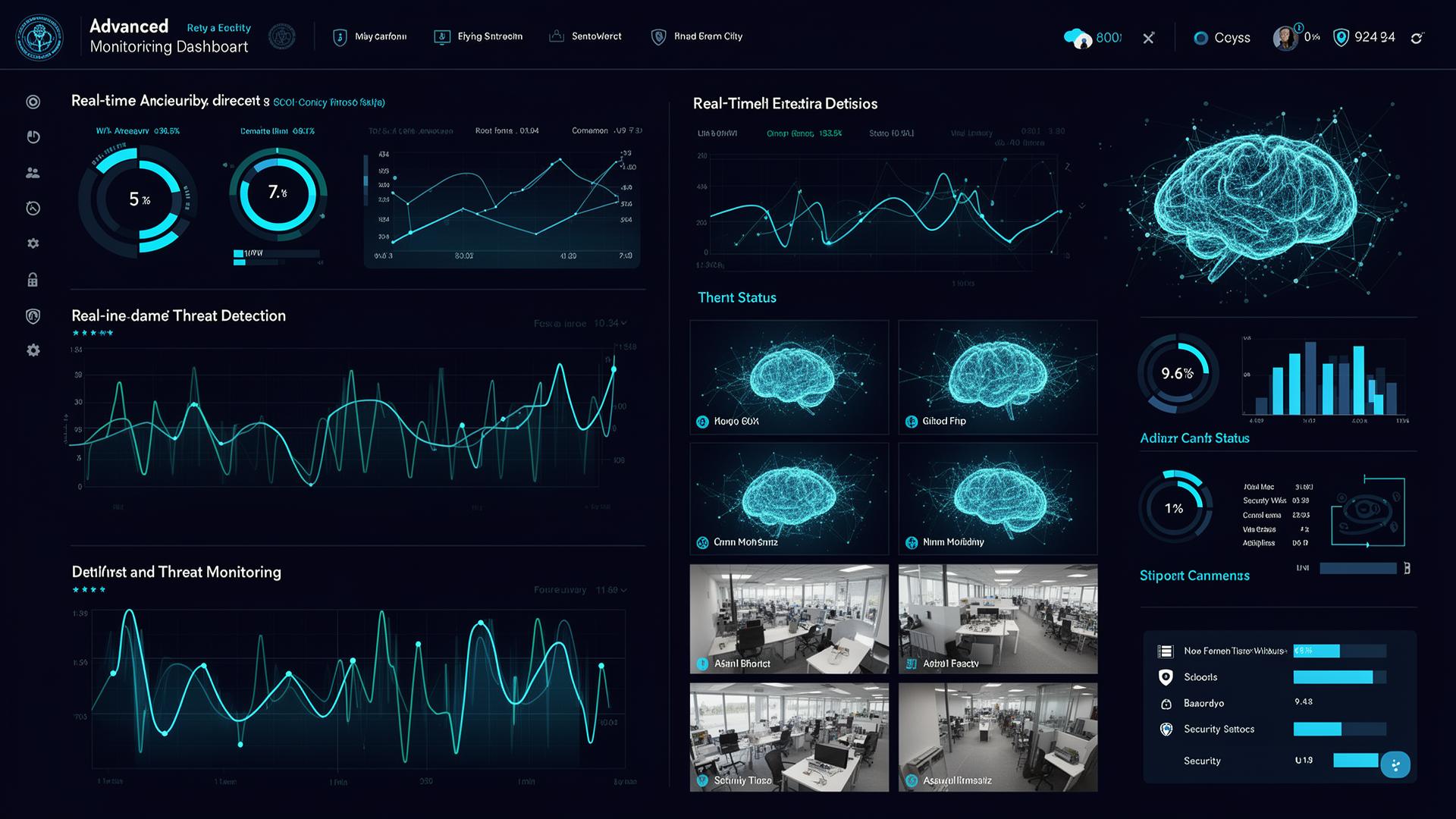
Real-Time Alert Systems: The Complete Security Guide
Effective real-time alerting is the backbone of actionable security monitoring. Learn how to design alert systems that catch real threats without overwhelming your team.
Editorial note: WatchWard is a concept site. This article is general commentary on security technology and does not describe a shipping WatchWard product, customer results, or proprietary research.
Security alerts are only valuable if they're acted upon. The paradox of modern security monitoring is that too many alerts are nearly as dangerous as too few: alert fatigue causes security teams to miss the critical signal buried in a flood of noise. Designing effective real-time alert systems requires balancing sensitivity with specificity.
The Alert Fatigue Crisis
Industry surveys have repeatedly found that a large share of security alerts are never investigated. The primary reason: volume. Many enterprise security teams receive an overwhelming number of alerts daily. Even with dedicated staff, that volume is unmanageable without significant automation and intelligent filtering.
The consequence of alert fatigue is that real threats hide in the noise. Multiple high-profile security breaches in recent years were preceded by alerts that were generated but never actioned — because analysts were overwhelmed.
AI-Powered Alert Prioritization
The solution to alert fatigue is not fewer sensors or less monitoring — it's smarter classification. AI-powered alert prioritization applies machine learning to score each alert by its likely significance, correlate it with other recent signals, and present only the highest-confidence, highest-priority alerts to human reviewers.
Effective prioritization considers alert source reliability (some sensors generate more false positives than others), contextual factors (time of day, occupancy status, recent similar events), cross-sensor correlation (a motion alert plus a door sensor plus an unknown MAC address is more significant than any one alone), and historical incident data (what alert patterns have preceded actual incidents?)
Notification Channel Strategy
Not all alerts require the same notification channel. A low-confidence motion event at a retail property during business hours might warrant a silent log entry and dashboard update. A confirmed intrusion at a residence at 2am warrants simultaneous push notification, SMS, and an automated call to the security monitoring center.
Defining these escalation paths clearly — and implementing them automatically through a configured alert management system — is one of the highest-leverage improvements any security program can make. Response time for genuine incidents improves dramatically; alert fatigue for routine events decreases equally dramatically.
Measuring Alert System Effectiveness
Alert system performance should be measured explicitly using metrics including false positive rate (what percentage of alerts prove to be non-incidents), mean time to detect (how quickly are genuine incidents identified), mean time to respond (how quickly are confirmed incidents acted upon), and alert coverage (are there incident types that aren't generating alerts?).
A well-designed platform built along these lines could aim for a very low false positive rate, so that the large majority of alerts represent genuine security events worth investigating. That kind of accuracy would depend on multi-layer AI filtering that combines sensor data, behavioral context, historical patterns, and environmental factors into a composite threat score for each alert.