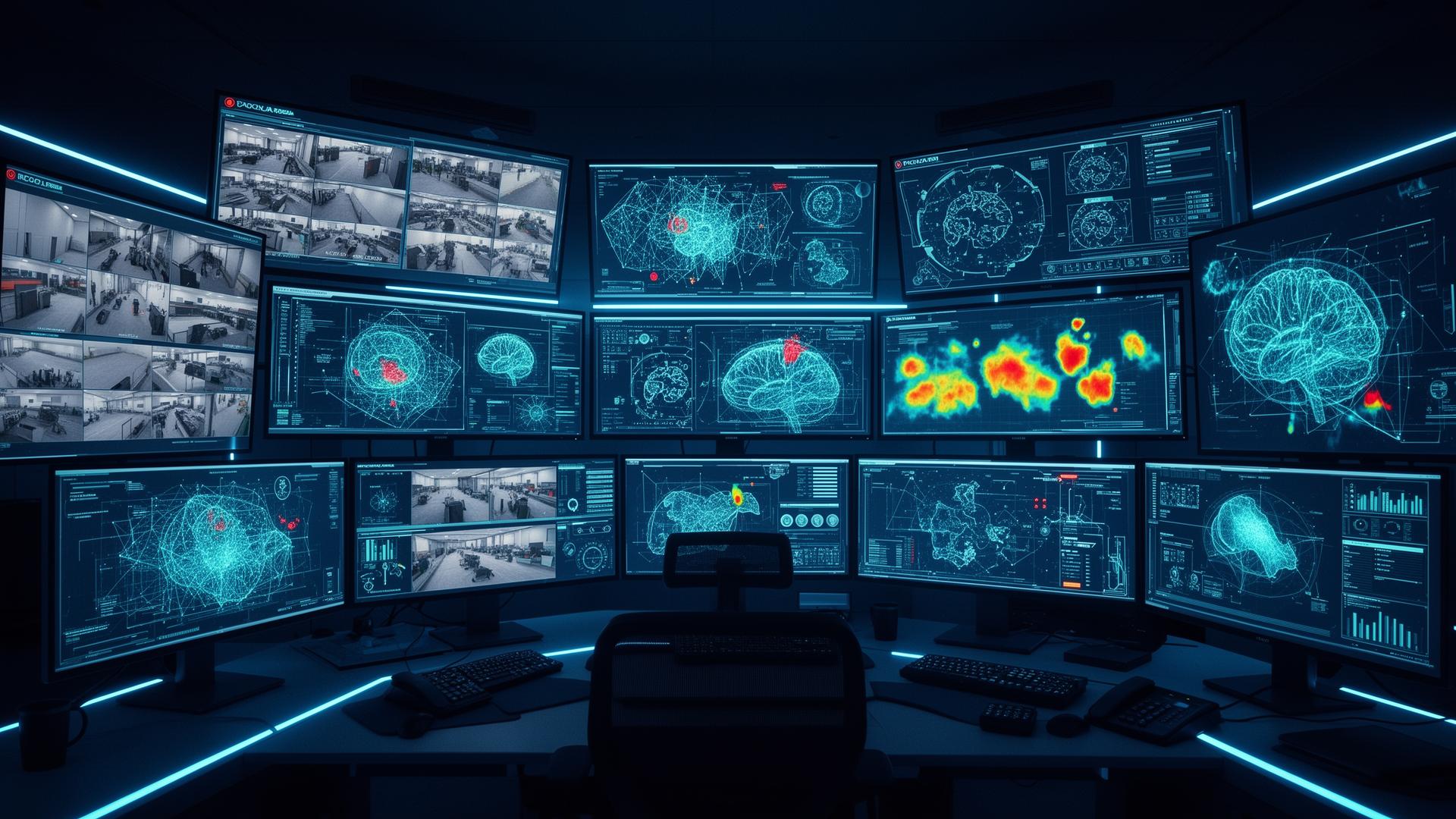
How AI Camera Analytics Transform Surveillance
Modern camera analytics go far beyond recording footage. AI-powered video analysis is turning passive cameras into active security intelligence systems.
Editorial note: WatchWard is a concept site. This article is general commentary on security technology and does not describe a shipping WatchWard product, customer results, or proprietary research.
Surveillance cameras now number in the hundreds of millions worldwide. The vast majority of them are doing exactly one thing: recording video that nobody watches. Camera analytics changes this equation entirely.
The Problem with Passive Recording
Traditional CCTV serves one primary function: evidence collection after an incident. The camera records, the crime occurs, someone reviews the footage afterward. This model has persisted for 60 years because there was no affordable alternative.
The problem is obvious: passive recording doesn't prevent incidents — it documents them. From a security effectiveness standpoint, a camera that triggers an immediate alert is worth hundreds that simply record.
What Camera Analytics Actually Does
Modern camera analytics applies computer vision models to video streams in real time, extracting structured intelligence from unstructured footage. This includes object detection and classification (people, vehicles, animals), behavioral analysis (loitering, running, fighting), trajectory tracking, crowd density measurement, license plate recognition, and facial recognition with appropriate privacy controls.
The output isn't more video to watch — it's actionable alerts, structured event logs, and intelligence reports that security teams can actually use.
The Retail Revolution
Retail has been one of the most aggressive early adopters of camera analytics, driven by the economics of loss prevention. Organized retail crime imposes substantial and rising costs on retailers industry-wide. AI-powered camera analytics can help reduce shrinkage by identifying theft behaviors — concealment, ticket switching, collaborative theft — that are invisible to traditional monitoring.
Beyond loss prevention, retail camera analytics deliver business intelligence: customer traffic patterns, queue length monitoring, heat mapping of store sections, conversion rate analysis, and compliance monitoring for planogram adherence.
Privacy and Ethics Considerations
Camera analytics raises important questions about privacy and civil liberties that the security industry must address directly. Facial recognition in particular requires careful governance — clear policies on data retention, consent where required by law, and technical safeguards against misuse.
Responsible deployment of camera analytics means using the minimum capability needed for the security objective, establishing clear data handling policies, providing appropriate disclosure to those being monitored, and implementing technical controls to prevent scope creep.