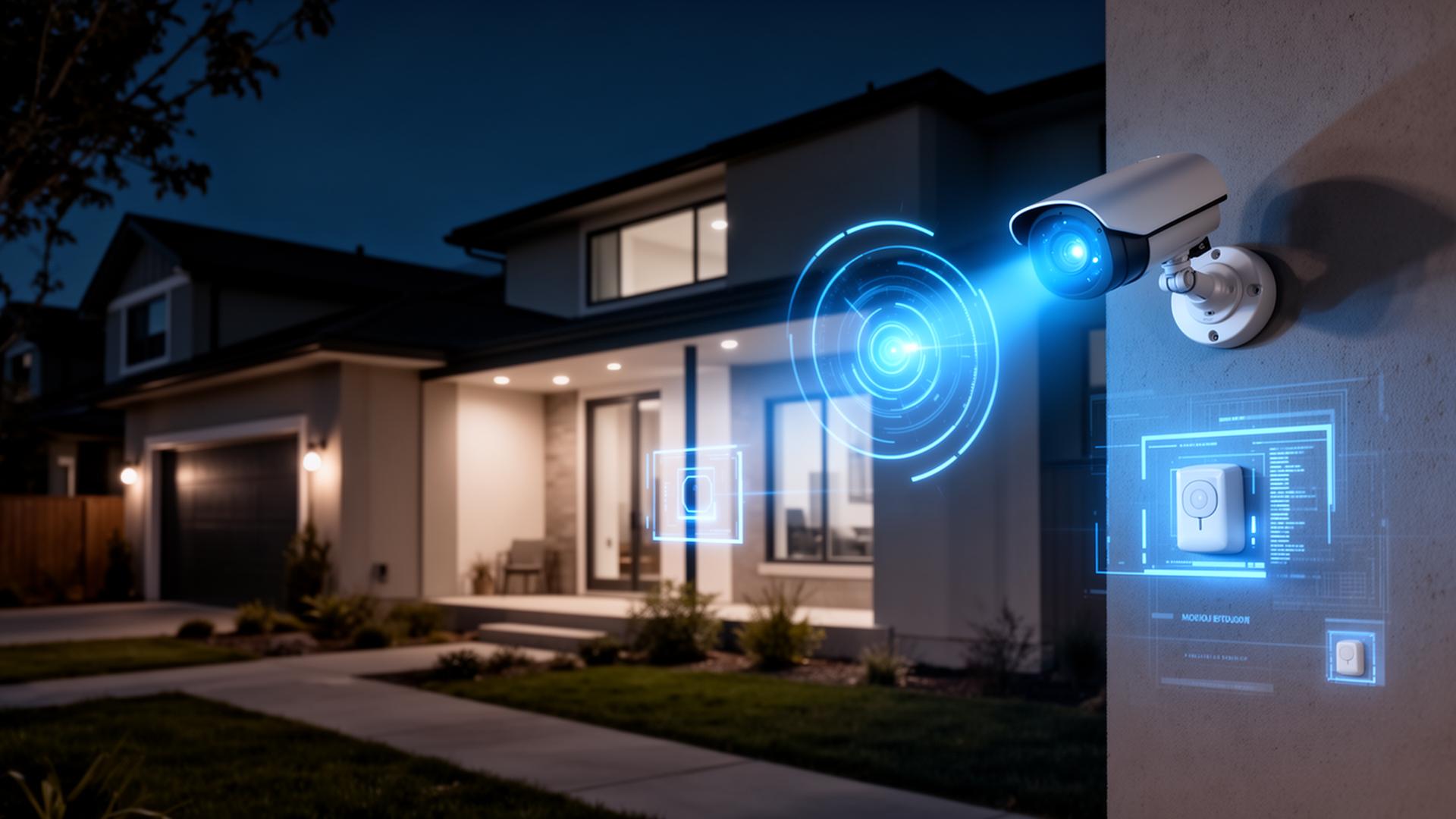
Top Home Security Vulnerabilities in 2026
The most common physical and digital vulnerabilities that put homes at risk — and what you can do about each one.
Editorial note: WatchWard is a concept site. This article is general commentary on security technology and does not describe a shipping WatchWard product, customer results, or proprietary research.
Home security vulnerabilities fall into two categories: physical and digital. Modern homeowners must address both to achieve meaningful protection.
Physical Vulnerabilities
Inadequate exterior lighting remains the single most common physical vulnerability — darkness is widely believed to be a factor in a large share of residential break-ins. Hollow-core exterior doors, poorly secured sliding doors, and unmonitored rear entry points are close behind.
Digital Vulnerabilities
Default WiFi passwords, unencrypted smart device communications, and shared network infrastructure for IoT and personal devices create exploitable digital vulnerabilities in the majority of smart homes today.
The Hybrid Threat
Attackers increasingly combine physical and digital reconnaissance. A compromised doorbell camera can reveal occupancy patterns; a compromised smart lock can be bypassed remotely. Physical and digital security must be addressed together.
Quick Wins
Motion-activated exterior lighting, reinforced door frames, separate IoT network, and an AI security monitoring platform that covers both physical and digital threats — these four changes address the majority of common home security vulnerabilities.